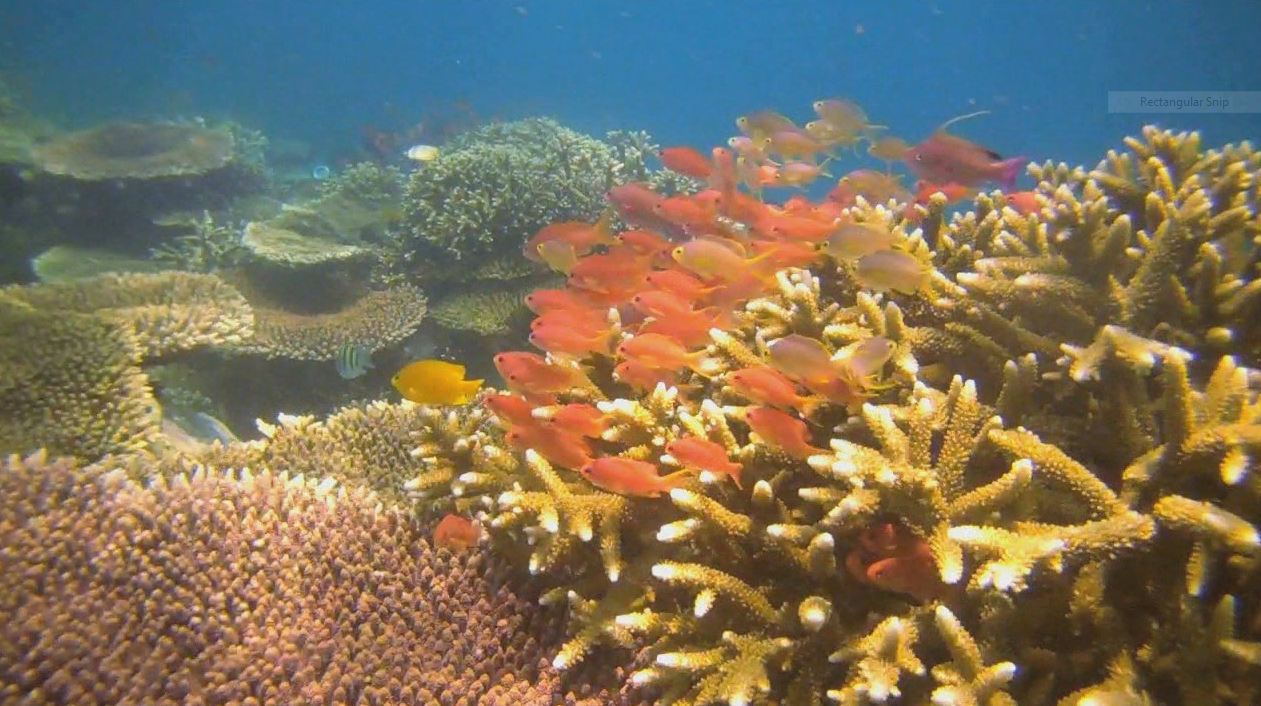
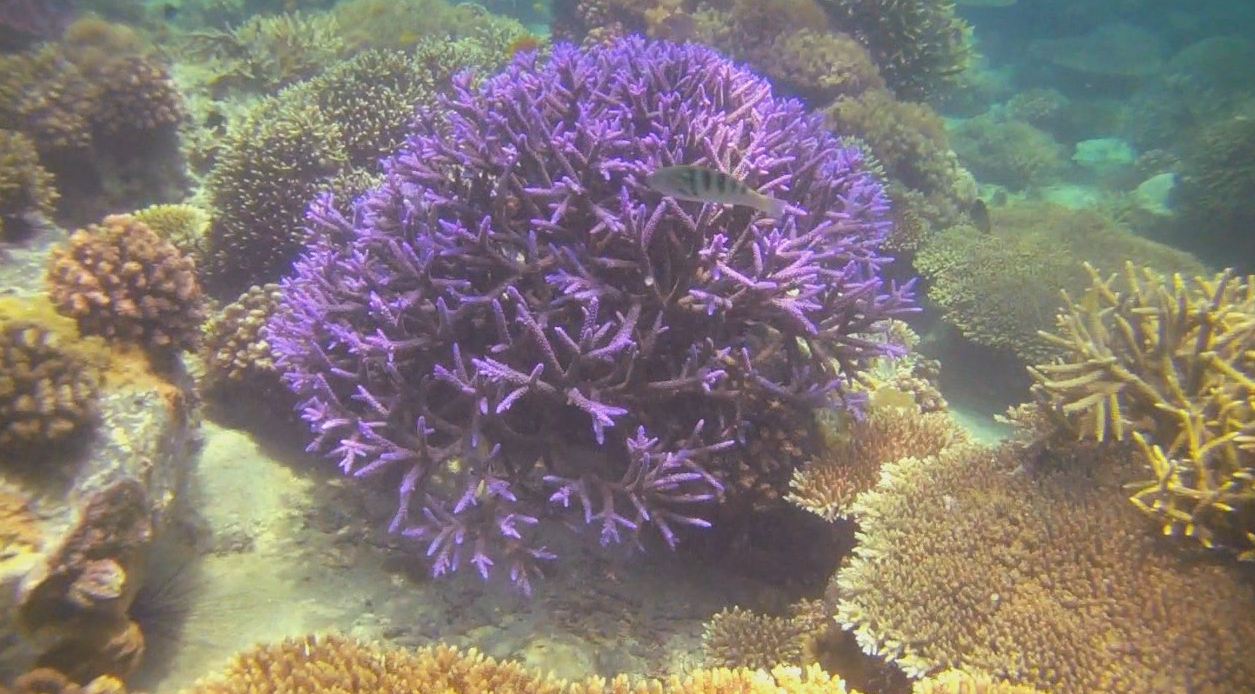
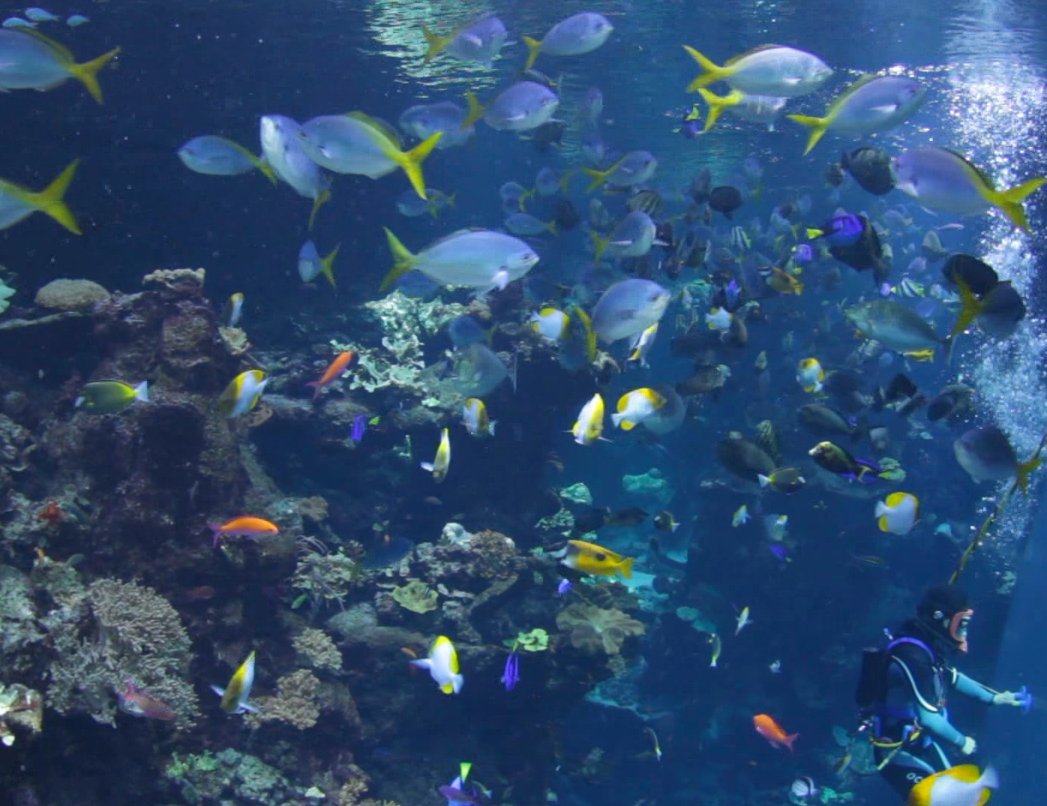
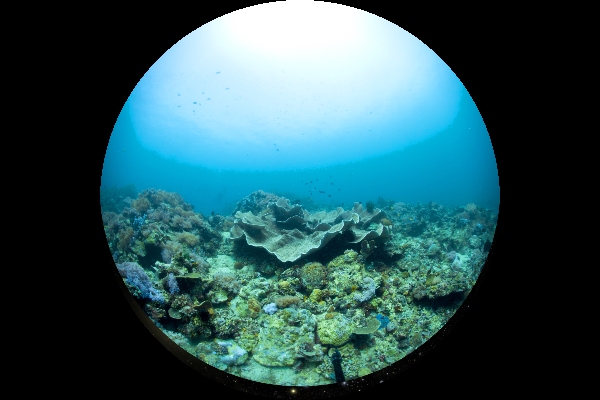
Here at the California Academy of Sciences, our Philippine Coral Reef exhibit is not only a beautiful place to sit, relax and watch the activities of thousands of fish, it is also a stage- where we engage audiences in conservation education, and deliver programs that address complex topics such as ocean acidification and sustainable fishing. I’d like to invite you to join us for a Coral Reef Dive show, which takes place every day at 11:30am and 2:30pm.
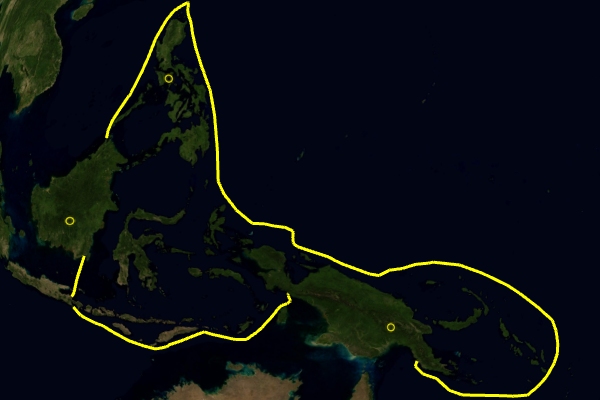
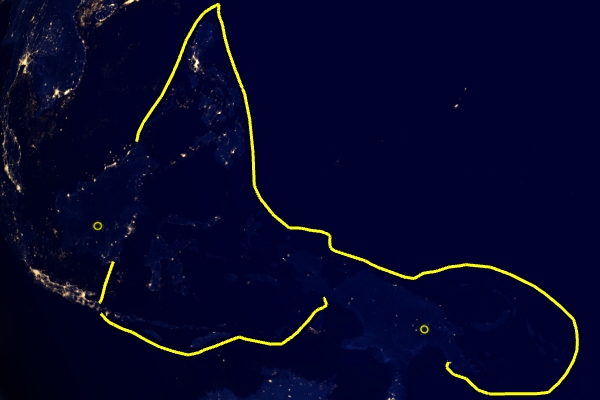
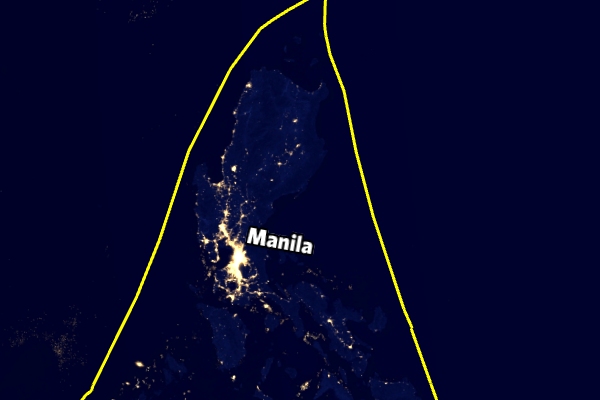
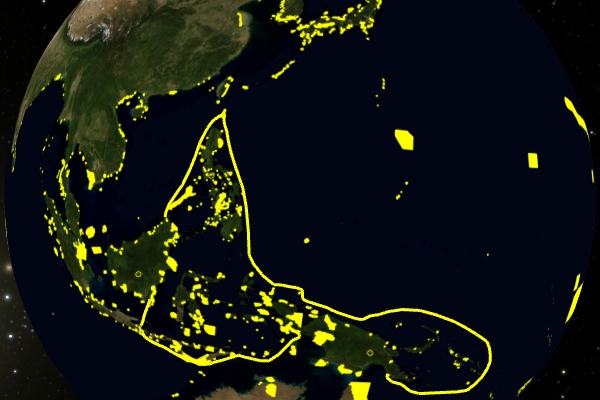
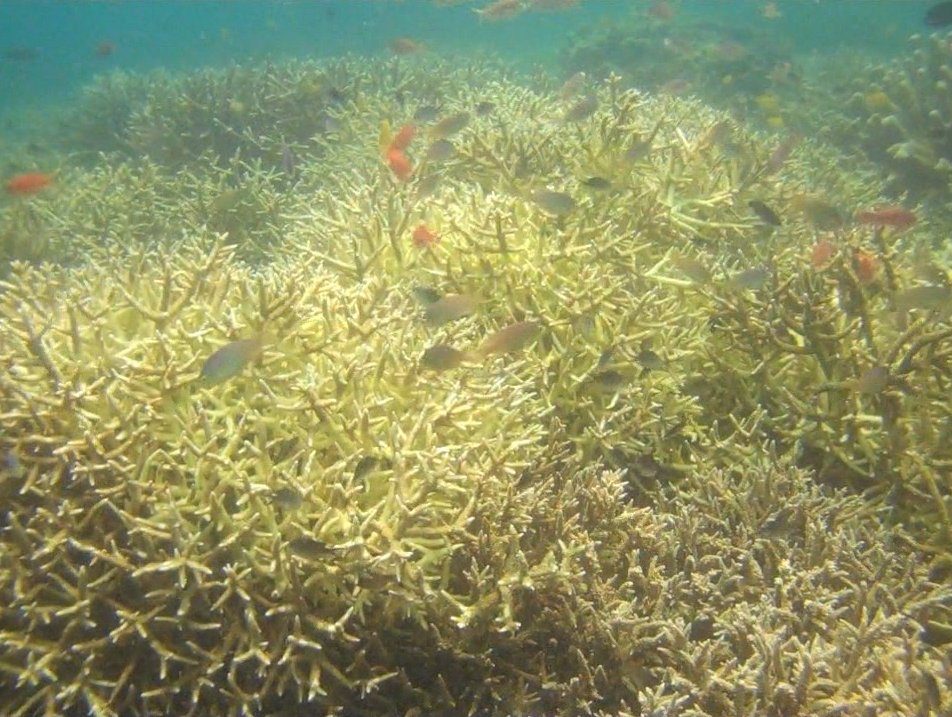
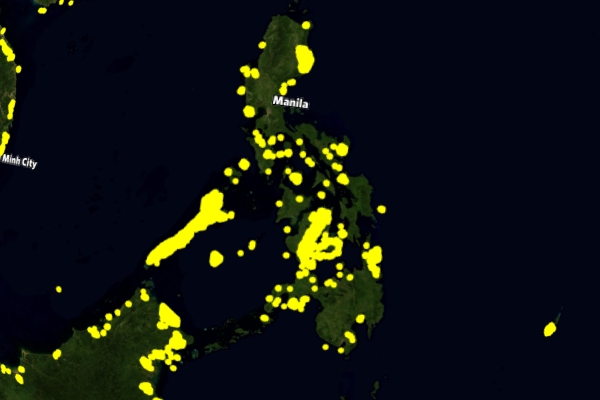
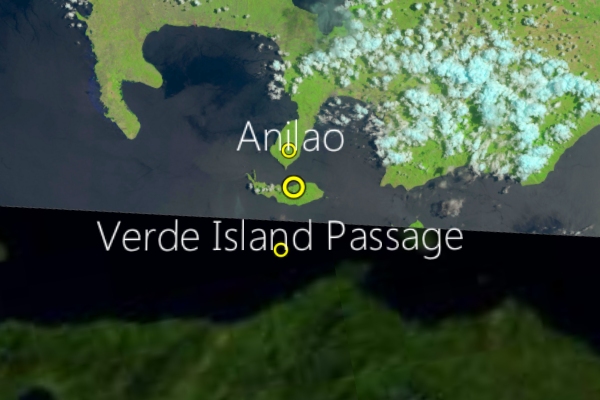
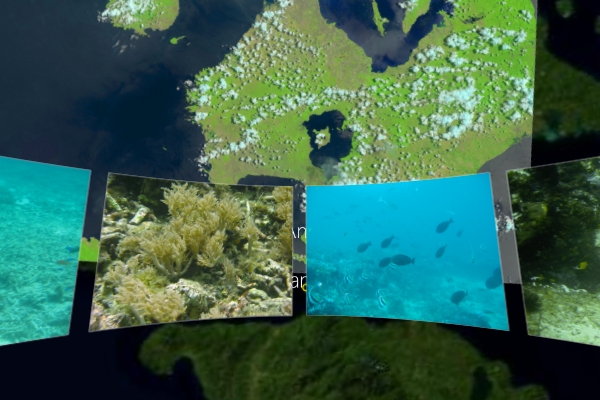
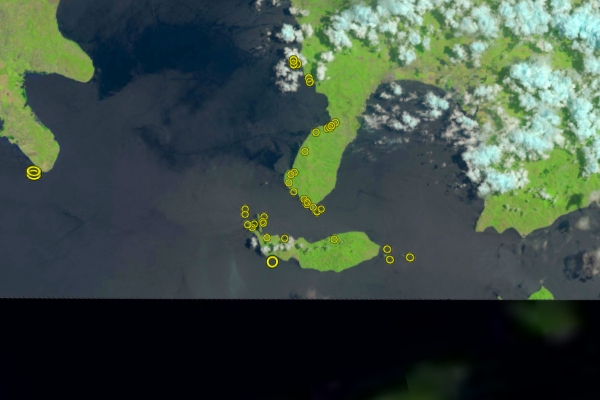
The Academy’s Philippine Coral Reef exhibit is a simulated, simplified ecosystem of sorts, designed to reflect the beauty and diversity of the coral reefs of Anilao in the Verde Island Passage. The exhibit consists of a central 200,000-gallon aquarium—the largest and deepest indoor coral reef in the world—surrounded by several galleries of smaller tanks that highlight various evolutionary and ecological themes associated with coral reefs. The design and development of this exhibit took more than 6 years, and we are celebrating the 5 year anniversary of its opening later this month.
A team of biologists, water quality specialists, life-support engineers and SCUBA divers work everyday to ensure the health and vitality of the exhibit as we try and grow a living coral reef far from where it would naturally be found. As you can imagine, growing a mature coral reef from a bare concrete structure in a concrete and glass building, in a public park, in a major metropolitan area in Northern California is not without its challenges.
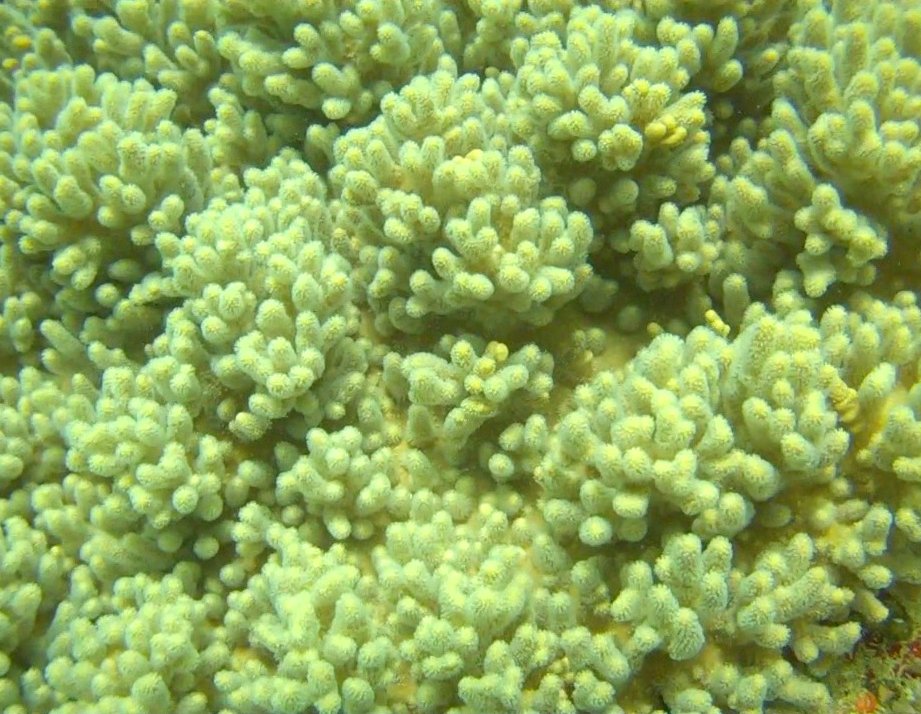
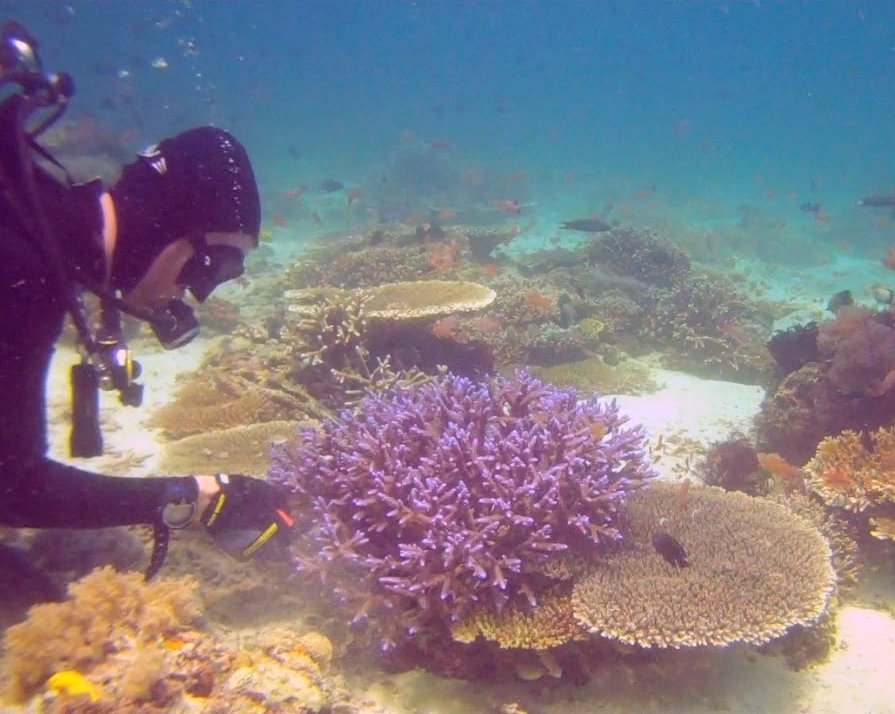
One of our main challenges with this exhibit was acquiring the corals. While it is possible to obtain permits to collect and export 1000 square feet of a reef from countries that export living coral as a natural resource, that really didn’t fit with the mission of the Academy—“to explore, explain and sustain life”. So, we went about obtaining our corals in an entirely different way—by cultivating them from cuttings, or fragments, grown in aquaria all around the country. Approximately 50% of the corals that you see in our display were grown at the Academy over a period of many years, from small branches taken from corals growing in other aquaria. Greenhouse gardening, if you will, except with animals.
We also partnered with the US Fish and Wildlife Service to place corals that were confiscated as they entered the United States due to improper permits, misidentification, or downright smuggling. About ¼ of the corals in our exhibit were confiscations that would otherwise die if they could not be placed with a public aquarium.
To date, with nearly 1000 colonies of coral, representing more than 100 species, we have not purchased a single piece of wild-collected coral for our exhibit. This acquisition policy directly reflects our mission of sustainability and conservation education.
Uniview cues
Uniview Controls:
Fly to the Academy.
Video (outside of Uniview)
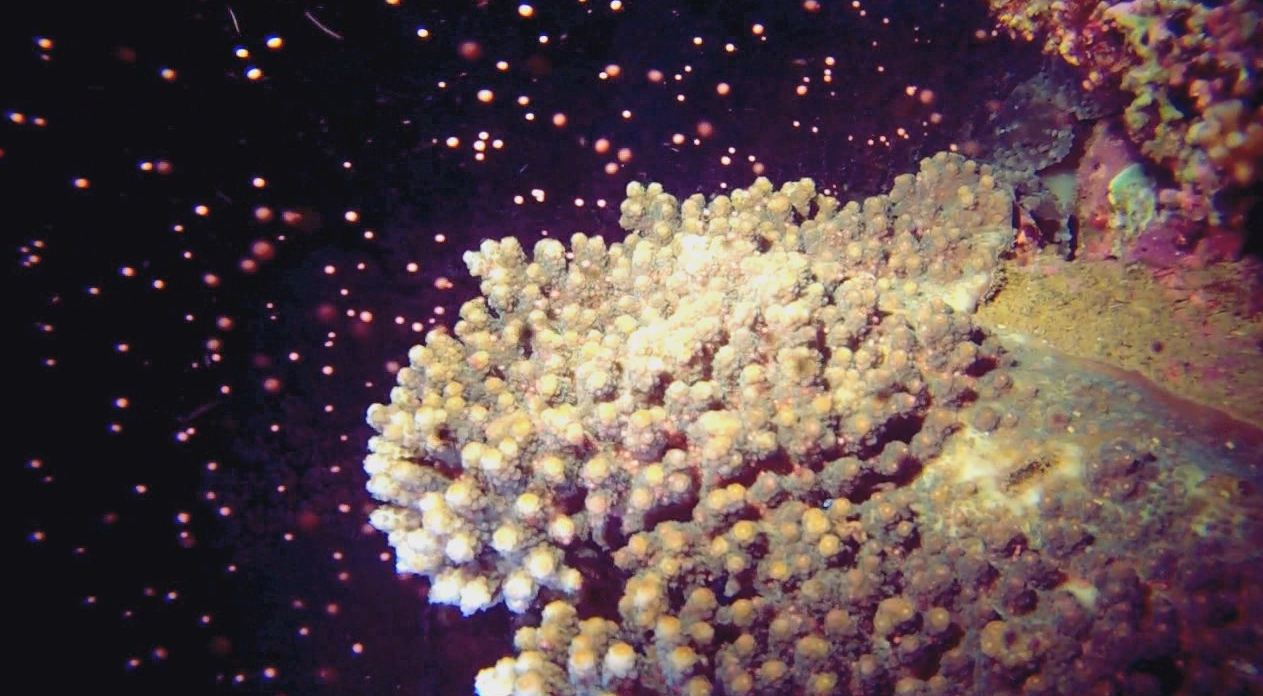
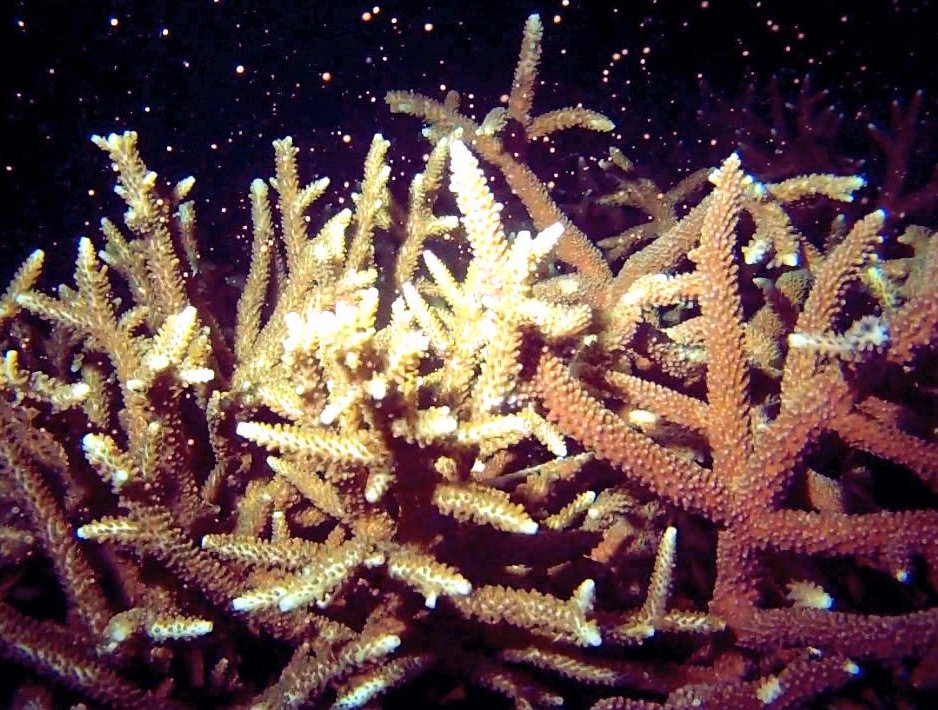
Show 2 minutes of Spawning video
coral.mpv video
Video (outside of Uniview)
Show 2 minutes of Spawning video
coralspawn.mpv video